
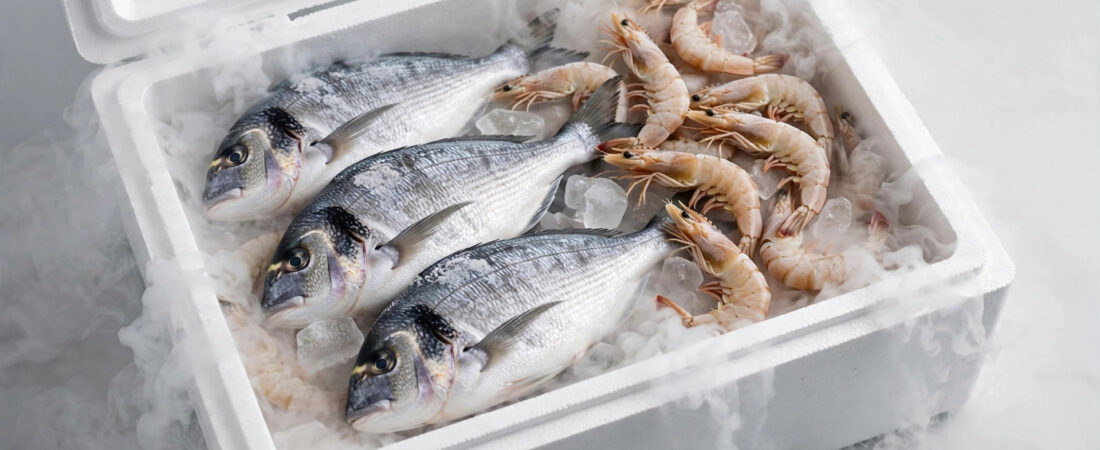
Karachi’s restaurants run on frozen vegetables. Peas, sweet corn, mixed vegetables, French fries, broccoli and spinach arrive pre-cut, pre-washed and ready to cook — but only if the cold chain holds from the supplier’s freezer to your kitchen. A single thawed delivery can ruin a day’s prep and cost you a customer. This guide explains what a restaurant buyer in Karachi should look for when choosing a frozen vegetable supplier.
Why Frozen Vegetables Are a Restaurant Staple
Fresh sabzi prices in Karachi swing with the season, the weather and the mandi. Frozen vegetables fix that problem: the price stays stable week to week, the quality is consistent, and there is no washing, peeling or chopping. Frozen peas go straight into pulao, frozen corn into soups and salads, frozen fries into the fryer — with no prep time and no waste.
The catch is that frozen vegetables are only as good as the cold chain behind them. Vegetables frozen at −18°C and kept there stay firm, bright and flavourful. Vegetables that thawed and refroze on the way turn soft, watery and dull. The first thing a buyer should check is not the price per kilo — it is whether the supplier can prove the product never left the cold chain.
What to Check Before You Order
Ask the supplier three questions before your first order. First, how is the stock stored — in a proper deep freezer at −18°C or below, or in a shop freezer that opens all day? Second, how is it delivered — in an insulated thermocol box with dry ice, or in a plain plastic bag on a bike? Third, what happens if a delivery arrives soft — do they replace it, or is the sale final?
Also check the packaging. Good frozen vegetables come in sealed, labelled bags with a packing date. Torn bags, faded labels and ice crystals inside the packet are signs the stock has been thawed and refrozen. A reliable supplier will show you the packing before you commit to a weekly order, and will deliver in the same condition every time.
Quantities: How Much to Order
A small restaurant using frozen vegetables daily will typically go through 3–5 kg of peas, 2–3 kg of sweet corn and 2–4 kg of mixed vegetables per day. That is roughly 50–70 kg a week across the main lines, plus fries and special items. Ordering weekly in bulk is cheaper per kilo than buying small packets daily.
But bulk only works if you have the freezer space. A chest freezer holding 100 litres takes about 40–50 kg of bagged vegetables. Before you place a bulk order, measure your freezer and leave room for air to circulate — a freezer packed solid cannot hold temperature properly. Our guide to how long frozen food stays frozen during a power cut explains how to protect that stock when the electricity goes, which matters in Karachi more than anywhere else.
Keeping Stock Frozen in Karachi’s Heat
The danger point is the journey from supplier to kitchen. In summer, a delivery bike crossing Karachi at 40°C can thaw a bag of peas in under an hour if it is not packed properly. That is why serious suppliers pack frozen vegetables in thermocol boxes with dry ice pellets — the box holds the cold in, and the dry ice keeps the temperature below freezing for the whole trip.
If your supplier delivers in plain bags, you are taking the risk yourself. Ask for thermocol packing, or order your own thermocol boxes and dry ice and have the supplier pack into them. Roughly 1 kg of dry ice keeps 3–4 kg of frozen vegetables solid for 4–6 hours — more than enough for any delivery inside Karachi. For the full maths, see our guide to how much dry ice you need.
Choosing Between Suppliers
Compare suppliers on four things: price per kilo, minimum order, delivery reliability and replacement policy. The cheapest per-kilo price means nothing if one delivery in four arrives thawed. A supplier who delivers on time, in proper cold packing, and replaces bad stock without argument is worth a few rupees more per kilo.
Start with a small trial order — 10 kg across two or three lines — and check the condition on arrival. Are the bags hard and separate, or soft and clumped? Is there frost inside the bag? Does the stock taste right after cooking? If the trial passes, move to a weekly standing order and agree a fixed delivery day and time. Consistency is what a kitchen needs.
What to Order
For restaurant supply, keep your frozen vegetables in sealed bags in a deep freezer at −18°C, and keep dry ice and thermocol boxes on hand for the days your supplier cannot deliver in cold packing. Dry ice pellets (from 2 kg at Rs 1,450) and thermocol boxes (3 kg at Rs 250, 5 kg at Rs 450) are available from our shop, with same-day delivery across Karachi.
Order your packing before the busy weekend, not during it. A delivery that leaves the supplier without insulation cannot be fixed on the road.
Frequently Asked Questions
How can I tell if frozen vegetables thawed in transit?
Good stock feels hard, and the pieces move freely inside the bag. If the bag is soft, the pieces are clumped into a solid block, or there are large ice crystals inside, the stock thawed and refroze. Do not accept it — ask for a replacement.
How much dry ice do I need for a frozen vegetable delivery?
About 1 kg of dry ice for every 3–4 kg of frozen vegetables, packed in a closed thermocol box. That keeps the stock solid for 4–6 hours, which covers any delivery inside Karachi.
How long can I store frozen vegetables?
At a steady −18°C, sealed bags keep for 3–6 months without losing quality. Once a bag is opened, use it within a few days and keep it sealed in the freezer — open bags pick up freezer burn quickly.
Where can I buy dry ice and thermocol boxes in Karachi?
Order Providers delivers dry ice and thermocol boxes the same day across Karachi. Message us on WhatsApp at 0320-3921038 with your quantity and area, and we will confirm the price including delivery.
Get a quote on WhatsApp: message us at 0320-3921038 for dry ice and thermocol boxes for your restaurant’s frozen supply — same-day delivery across Karachi, cash on delivery available.