
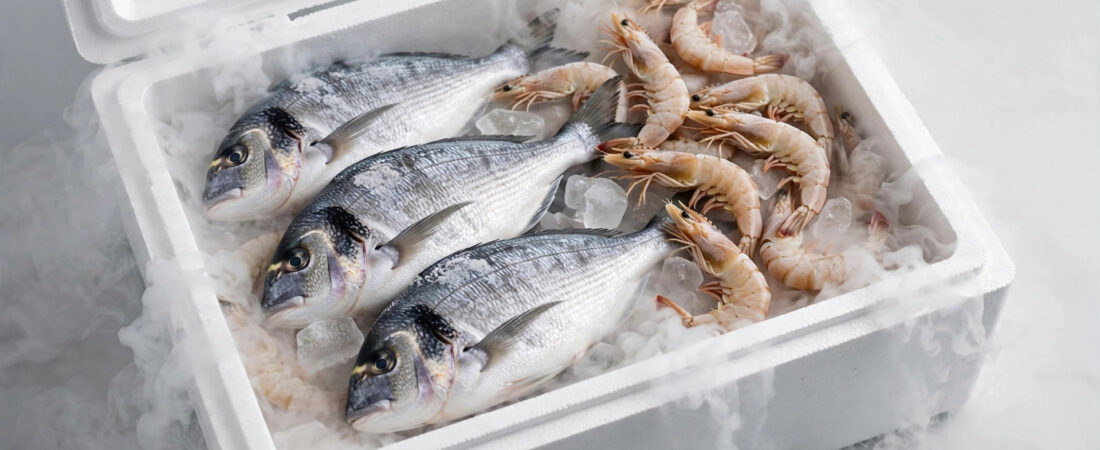
Karachi is Pakistan’s fishing capital. Every day, boats return to the harbour at West Wharf and Ibrahim Hyderi with prawns, pomfret, red snapper, lobster and crabs — and a growing share of that catch is sold live. Restaurants, hotels and seafood exporters pay a premium for fish that arrives alive, because a live fish is proof of freshness that no amount of ice can match. But transporting live seafood through Karachi’s heat and traffic is a delicate operation. One mistake with water temperature, oxygen or handling, and the whole consignment is lost.
Why Live Seafood Transport Is Different
Frozen seafood transport is about keeping things cold. Live seafood transport is about keeping things alive. The fish need oxygen-rich water at the right temperature, space to move without injury, and as little handling as possible. Stress alone can kill a fish before the journey ends. Karachi adds its own challenges: summer temperatures above 40°C, load-shedding that can cut power to aerators without warning, and traffic from the harbour that can take far longer than planned.
Choosing the Right Container
Live seafood travels in insulated tanks or sturdy thermocol boxes fitted with aerators. For short trips within Karachi, a well-insulated thermocol box with a battery-powered aerator is often enough for crabs, lobsters and hardy fish. For longer journeys, or for delicate species like pomfret, a proper insulated tank with a continuous oxygen supply is the safer choice.
Never overcrowd the container. Fish packed too tightly use up the oxygen faster, produce more waste, and injure each other. Leave at least a third of the water volume as free space, and transport large fish separately from small ones. Crabs and lobsters should be kept apart from fish entirely, and their claws should be banded. Our guide to packing prawns and seafood for delivery in Karachi covers the basics of handling the catch once it is out of the water.
Water Temperature and Oxygen
Water temperature is the single most important factor. Most Karachi species are comfortable between 20°C and 25°C, and the water should be cooled gradually — never by dumping ice directly into the tank, which shocks the fish. The practical method is to chill the water before loading, then keep it cool with insulated walls and sealed bottles of frozen water or a small amount of dry ice kept in a separate compartment. Dry ice must never touch the water directly, because the carbon dioxide it releases can suffocate the fish.
Oxygen is the second priority. A battery-powered aerator with a spare battery is essential, and for journeys over two hours, a small oxygen cylinder with a diffuser stone is worth the investment. Check the aerator before every trip, and carry a backup. A failed aerator in Karachi traffic is the fastest way to lose a whole consignment. For more on keeping seafood cold and fresh, see our frozen seafood export packing standards.
Planning the Route and the Timing
Move live seafood early in the morning or late in the evening, when the air is cooler and the roads are clearer. Avoid the midday heat entirely if you can. Plan the route in advance, and have the receiving tank ready before the fish arrive — the transfer should take minutes, not half an hour of searching for a hose or a net.
For deliveries to restaurants and hotels, confirm the delivery time with the buyer the day before, and send a message when the vehicle leaves the harbour. A buyer who knows the fish are on their way can have their holding tank oxygenated and at the right temperature, which makes the transfer far less stressful for the catch.
Common Mistakes to Avoid
The most common mistake is feeding the fish before transport. A fed fish produces more waste, and the water fouls quickly in a closed container. Fish should not be fed for at least 12 hours before a journey. The second mistake is using harbour water that has not been checked — polluted or overly warm water will stress the fish from the start. Use clean, filtered seawater at the right temperature, and change it if the journey is delayed.
The third mistake is rough handling. Fish should be netted gently, never grabbed by the gills, and never dropped into a container from a height. Crabs and lobsters should be handled with tongs or gloves, and always kept cool and damp. A little care at loading time saves a lot of losses at the other end.
What It Costs to Do It Right
Live seafood transport costs more than frozen delivery, but the premium prices justify it. The main costs are the insulated containers, aerators and oxygen, and the cooling that keeps the temperature steady. A 2kg pack of dry ice costs Rs 1,450 and a 5kg pack Rs 2,950, and a small amount goes a long way when it is used to cool a container. Same-day delivery is available across Karachi, so you can order in the morning and have your cooling ready before the boats come in. See our dry ice supplier guide for Karachi for pack sizes and delivery areas.
Frequently Asked Questions
How long can live fish survive in a transport container?
With the right temperature, oxygen and stocking density, most Karachi species survive 4 to 8 hours in a well-prepared container. Hardy species like crabs and lobsters can last longer, while delicate fish need shorter journeys and more careful handling.
Can dry ice be used for live seafood transport?
Yes, but only to cool the container — never in the water itself. Place the dry ice in a separate compartment or a sealed container beside the tank, so it cools the air and the water indirectly. Direct contact releases carbon dioxide into the water and can suffocate the fish.
What is the best time of day to transport live seafood in Karachi?
Early morning or late evening, when temperatures are lower and traffic is lighter. Avoid the midday heat, especially in summer, and always have the receiving tank ready before the fish arrive.
Should fish be fed before transport?
No. Do not feed fish for at least 12 hours before a journey. A fed fish produces more waste, the water fouls faster, and the fish are far more likely to die in transit.
Transporting live seafood? Message us on WhatsApp at 0310 2395910 for dry ice and thermocol boxes to keep your catch cool and alive — same-day delivery across Karachi, 2kg to 20kg packs, and 3kg and 5kg thermocol boxes in stock. Browse the full range in our shop.