
Home kitchens, small freezers, and a Facebook page — that is how a growing number of frozen food businesses start in Pakistan. Frozen samosas, shami kebabs, marinated chicken, parathas, desserts: demand is strong, margins are real, and the barrier to entry is low. What separates the sellers that last from the ones that flame out in three months is rarely the recipe. It is packaging, cold chain, and delivery discipline.
This guide is the practical checklist for selling frozen food online from a small operation: what you need, what it costs to get right, and the mistakes that kill new frozen-food businesses first.
Start With What Survives Freezing
Not everything freezes equally. The products that sell best online — kebabs, samosas, spring rolls, parathas, marinated meats, koftas, frozen desserts — all share three traits: they freeze solid without texture damage, they cook straight from frozen, and customers already trust them.
Test every product through two full freeze-thaw cycles before you sell it. Freeze a batch for a week, thaw it, cook it, and taste it honestly. If it gets soggy, mushy, or oddly textured, fix the recipe or drop the item. One bad review about texture will cost you more than the batch was worth.
Packaging: Your Product’s Bodyguard
Customers judge your business by what arrives at their door. Frozen food needs packaging that does three jobs: keeps it frozen, keeps it intact, and looks like a business rather than a home kitchen.
Primary packaging. Portion into retail-friendly packs (250g, 500g, 1kg), remove air, and seal well. Air pockets cause freezer burn. Label every pack with the product name, weight, date, ingredients, and a simple cooking instruction — customers forgive a lot, but not mystery food.
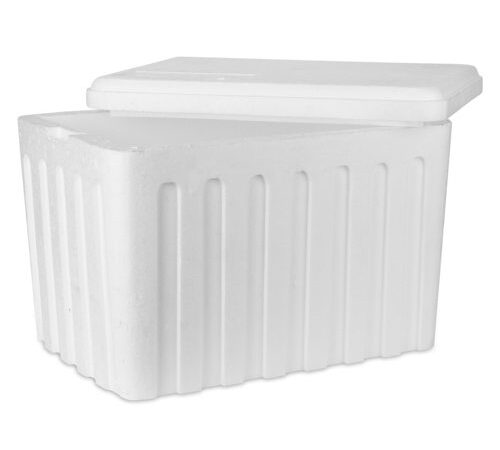
Transit packaging. For Karachi deliveries, thermocol boxes with dry ice or gel packs are the standard — the same method described in our seafood packing guide. The box is part of your cost per order, so factor it into pricing from day one. A 3 kg box suits single-product orders; a 5 kg box handles mixed baskets. Our thermocol box guide compares the sizes and prices.
The Cold Chain Is Your Reputation
Frozen food businesses live and die on one question: did it arrive frozen? A delivery that arrives thawed is not just a refund — it is a review that warns every future customer.
Freeze stock before dispatch day. Never pack product that was frozen the same morning; it needs a full 24 hours at −18°C to be solid through the middle.
Pack in dispatch order. Load the rider’s boxes last, right before pickup. Every minute a packed box sits in a warm kitchen costs frozen time.
Right-size the coolant. A 3 kg box on a 2–3 hour Karachi route needs roughly 1–1.5 kg of dry ice pellets in summer; a 5 kg box on a longer route needs 2–3 kg. Our quantity guide covers the exact numbers. Under-packing coolant is the classic beginner mistake — it saves Rs 200 and costs a Rs 2,000 order.
For longer or multi-stop routes, power-cut hold times teach the same lesson: a packed thermocol box with proper dry ice holds frozen far longer than most sellers expect.
Pricing: Cost Everything, Then Price
New sellers underprice because they forget half the costs. Your true cost per order includes: raw ingredients, primary packaging, labels, the thermocol box, dry ice or gel packs, delivery fee, payment gateway or COD charges, and your time. Add 10–15% wastage on top — frozen food businesses always have wastage.
Price with all of that in, then check you still land within what customers pay for similar products. If the numbers do not work, fix the costs (cheaper box supplier, combined deliveries) before you cut the price — cutting price below cost is just paying customers to take your food.
Delivery: Start Small, Stay Reliable
Begin with a small radius — your neighbourhood, then adjacent areas — and only widen it when your packing is proven. A seller covering all of Karachi on day one will learn about thawed deliveries the expensive way.
Use riders who understand frozen deliveries: collect packed boxes last, keep them out of direct sun, deliver in route order. If you run your own deliveries, the route planning in our ice cream delivery guide applies to frozen food too — same heat, same rules.
What to Buy First
You do not need much to start: a reliable freezer, a vacuum sealer or good freezer bags, labels, thermocol boxes in one or two sizes, and a standing supply of dry ice. Buy the boxes and dry ice from a supplier who delivers consistently — running out of packing materials mid-order is a business killer. Message Order Providers on WhatsApp for wholesale dry ice and thermocol box rates for small food businesses, or browse everything on our shop.
Frequently Asked Questions
How much does it cost to start a frozen food business in Pakistan?
A home-scale start needs a chest freezer, packaging, and initial stock — the fixed outlay is modest compared to most food businesses. The real ongoing cost is per-order: ingredients, box, dry ice, and delivery. Cost every order fully before setting prices.
How do I keep frozen food frozen during delivery?
Freeze stock solid for 24 hours before dispatch, pack in thermocol boxes with dry ice above the product, fill air gaps, and never seal the box airtight. Load rider boxes last and deliver in route order.
Should I use dry ice or gel packs for food delivery?
For Karachi routes up to 6–8 hours, dry ice pellets are stronger and lighter per hour of frozen time; gel packs work for short, same-neighbourhood trips. Our dry ice vs gel packs comparison breaks down the trade-offs.
What packaging do customers expect from an online frozen food seller?
Sealed, labelled packs with product name, weight, date, and cooking instructions — then a clean thermocol box that keeps everything frozen. Neat labelling is the cheapest trust-builder in the business.