
When a customer orders frozen food through a delivery app in Karachi, the food leaves your kitchen frozen — but what arrives at their door depends almost entirely on the packaging. The app handles the order and the rider, but the cold chain is your responsibility. A rider stuck in traffic on Shahrah-e-Faisal for forty minutes, a bike with no insulated bag, or a thin plastic container can turn a perfectly good frozen meal into a soggy disappointment. Restaurants that get cold packaging right earn repeat orders; those that do not earn one-star reviews that mention thawed food by name.
What the Apps Actually Provide — and What They Don’t
Most food delivery apps in Pakistan give riders an insulated delivery bag, and some provide a basic thermal box. These bags are designed for hot food: they slow heat loss for thirty to forty-five minutes, which is usually enough for a biryani. For frozen food they are far less effective. A standard rider bag will not keep ice cream frozen on a 38°C afternoon.
The apps also do not control how your food is packed before it goes into the bag. That is your job. If you hand the rider a frozen item in a thin plastic bag, the bag does nothing to protect it. The practical rule is simple: pack every frozen order as if the rider has no insulation at all. Anything the app’s bag adds on top is a bonus, not the plan.
Packaging That Actually Works for Frozen Orders
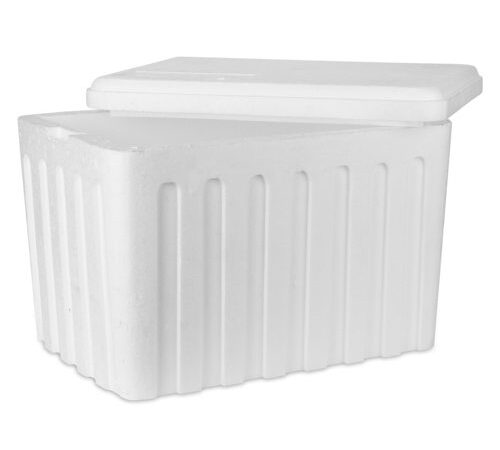
A thermocol box is the most reliable option for frozen deliveries in Karachi. Even a small 3kg box keeps frozen food cold for several hours, and it costs only Rs 250 — far less than the cost of one refunded order. For single items such as a tub of ice cream or a pack of frozen kebabs, a small thermocol box inside the rider’s bag is usually enough for trips under an hour.
For larger orders or longer distances, add a cold source inside the box. A small piece of dry ice — even 500g to 1kg — holds a thermocol box below freezing for hours and costs very little per order. It is far more effective than a gel pack, which melts within an hour in Karachi heat. Dry ice also leaves no water behind when it disappears, so the packaging stays dry. Our guide to dry ice vs gel packs vs regular ice compares the options in detail. If you are unsure how much to use, our dry ice quantity guide works it out for common order sizes.
Preparing Frozen Food for the Rider
Pack frozen items straight from the freezer, not from the counter. Every minute a frozen item sits at room temperature while you find a box or print a receipt is a minute of its cold budget spent. Set up a small packing station next to your freezer so the item goes from freezer to box in seconds.
Seal the box properly. A thermocol box with its lid taped shut holds cold far longer than one left open or loosely closed. Wrap the frozen item in a plastic bag first if there is any risk of condensation dripping onto it. Label the outside clearly: “Frozen — keep cold, deliver fast”. Riders handle dozens of orders a day; a clear label helps yours get priority.
Working With Riders and Delivery Times
Talk to your regular riders. Most riders will take extra care with a well-packed frozen order if they know what it is, but they cannot guess. Tell the rider it is frozen, ask them to keep the bag closed, and confirm they have their insulated bag with them before handing the order over.
Timing matters as much as packaging. Frozen orders placed during the lunch rush or the evening peak will spend longer on the road. If your app lets you set preparation times honestly, do it — a realistic fifteen-minute prep time is better than a promised five minutes that leaves the food sitting on the counter. And if a delivery is going to a far area such as Malir or Surjani Town, add extra dry ice or a larger box.
Handling Complaints and Refunds
Even with good packaging, some orders will arrive thawed. When a customer complains, ask for a photo of the food and the packaging. This tells you immediately whether the problem was your packing, a long delivery time, or a rider who left the bag open. Keep a simple log: date, item, area, delivery time, and what went wrong. Patterns appear quickly.
Do not argue with the customer over a thawed order. Refund or replace it, fix the cause, and note the fix in your log. A customer who gets a quick, honest response will often order again. If thawed deliveries are a regular problem, read our guide to why frozen deliveries arrive thawed — it covers the most common causes and fixes in one place.
Frequently Asked Questions
Do delivery apps keep frozen food cold?
Only partly. Rider bags are designed for hot food and slow heat loss for thirty to forty-five minutes. They will not keep frozen food frozen on a hot Karachi afternoon. Pack frozen orders in a thermocol box with a cold source, and treat the rider’s bag as extra insulation, not the main protection.
How much dry ice should I add to a frozen delivery order?
For a single item in a small thermocol box, 500g to 1kg is usually enough for a trip of one to two hours. For larger orders or longer distances, use 2kg or more. Dry ice costs little per order and leaves no water behind when it sublimates.
Is it safe to put dry ice in a delivery box?
Yes, if you follow two rules: never seal dry ice in a completely airtight container, and never let it touch food directly — keep it in its own bag or a separate compartment inside the box. The box lid should be taped but not airtight, so the gas can escape slowly.
What packaging do frozen food sellers use for app orders?
The most reliable setup is a thermocol box with dry ice inside, labelled “Frozen”. For a full rundown of materials, see our guide to packaging materials every Karachi food business needs.
Running a restaurant that delivers frozen food? Message us on WhatsApp at 0310 2395910 for dry ice packs and thermocol boxes at business rates — same-day delivery across Karachi. Browse the full range in our shop.