
A Karachi wedding hall at 8 pm in July is a hard place to keep food safe. Two hundred guests, a buffet line stretching the length of the hall, chafing dishes under heat lamps, and cold desserts sitting out while the air conditioning fights a losing battle against the open doors. The caterer who plans for temperature — not just taste — is the one whose food is still safe at 11 pm.
1. The Danger Zone Is the Real Deadline
Cooked food should not sit between 5°C and 60°C for more than four hours in total. In a Karachi summer, a tray of biryani that leaves the kitchen at 6 pm and sits on a buffet table can drift into that zone within an hour if the heat source underneath is weak or the lid is left open. The four-hour clock starts when the food is cooked, not when it is served — so the time spent in transit, in the hall kitchen, and on the table all count.
Hot food must be held above 60°C and cold food below 5°C. Anything in between is a risk, and in a buffet the risk grows every time a guest lifts a lid and lets the heat or the cold escape. The rule for caterers is simple: measure the temperature, do not guess it.
2. Hot Dishes: Chafing Dishes Done Properly
Chafing dishes are the backbone of a Karachi buffet, but they only work when they are used correctly. The water pan underneath must be hot before the food tray goes on — putting a cold water pan under a hot tray means the food cools while the water slowly warms up. Use fuel cans that burn for the full service, and keep a spare set on hand.
Keep lids on between servings. An open tray loses heat fast, and in an air-conditioned hall the cold air from the vents does the rest. For long events, cook in two batches: serve the first half, and bring the second half out fresh from the kitchen halfway through.
3. Cold Dishes: Ice, Dry Ice, and Insulated Trays
Cold buffet items — salads, raita, desserts, drinks — are the first to suffer in Karachi heat. Regular ice melts within an hour and leaves puddles under the trays. Dry ice is the better tool: at around -78.5°C, a small block under a tray keeps it cold for hours without a drop of water, and it works even when the hall’s power trips.
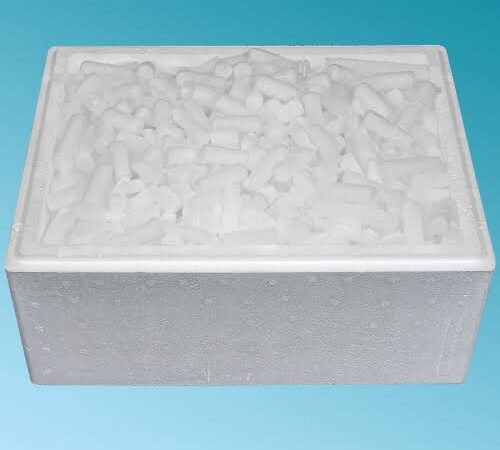
Place dry ice in a tray beneath the serving dish, never in direct contact with the food, and never in a sealed container — the carbon dioxide gas needs room to escape. A kilogram or two per cold station is usually enough for a four-hour event. For desserts like ice cream or kulfi, pack them in a thermocol box with dry ice and bring them out only at serving time.
4. Transport: The Journey Is Part of the Service
Most temperature failures happen before the food reaches the hall. A van stuck on Shahrah-e-Faisal at 6 pm, boxes stacked in direct sun, a driver who opens the back every ten minutes — any of these can undo a careful kitchen. Hot food should travel in insulated hot boxes that hold it above 60°C; cold food should travel in thick-walled thermocol boxes with dry ice, kept below 5°C.
Never mix hot and cold items in the same box. The hot food warms the cold food, and both end up in the danger zone together. Label every box with the dish name and the time it left the kitchen, and load the van so the first dish needed at the hall comes out last — that way nothing sits on a hot pavement while the rest is unloaded.
5. Planning Around Load-Shedding and Karachi Heat
A caterer in Karachi plans for power cuts the way a caterer elsewhere plans for rain. If the hall’s generator fails, the chafing dishes keep working — they run on fuel, not electricity — but the cold stations are in trouble within minutes. That is why dry ice belongs in the catering kit: it needs no power at all, and a few kilograms in the van is cheap insurance against a blackout during a wedding.
Schedule the buffet sensibly. Put the food out as close to serving time as possible, not an hour early for photographs. In summer, ask the hall to keep the buffet area away from the main doors, where hot air pours in every time a guest arrives. And keep a simple log: the time each dish left the kitchen and a temperature check halfway through service. If a dish has been out for four hours, it comes off the table — no exceptions.
The Caterer’s Temperature Checklist
Cook in batches and hold hot food above 60°C. Keep cold food below 5°C with dry ice, not melting regular ice. Transport hot and cold separately, in insulated boxes. Put food out late, keep lids on, check temperatures mid-service, and pull anything that has been out for four hours.
Order Providers supplies dry ice and thermocol boxes to caterers across Karachi, with same-day delivery to wedding halls, marquees, and event venues. Message us on WhatsApp for a quote for your next event, or browse dry ice and packaging in our shop.
Frequently Asked Questions
How long can buffet food safely stay out in Karachi?
No more than four hours in total between 5°C and 60°C, counting the time from cooking through transport to the table. In summer heat, aim for less — put food out as close to serving time as possible and check temperatures halfway through the event.
Is dry ice safe to use under buffet trays?
Yes, when used correctly. Dry ice sits in a tray beneath the serving dish, never touching the food, and the container is never sealed airtight. It keeps cold dishes below 5°C for hours without melting into water.
What should a caterer do if the power goes out during an event?
Chafing dishes keep working on fuel, so hot food is usually safe. Cold stations need dry ice as a backup — keep a few kilograms in the van for every event. If a cold dish has been above 5°C for more than two hours without a backup, it should come off the table.
How much dry ice does a catering event need?
For a typical wedding of 200 guests, one to two kilograms per cold station covers a four-hour service, plus a few kilograms in reserve for transport and power cuts.