
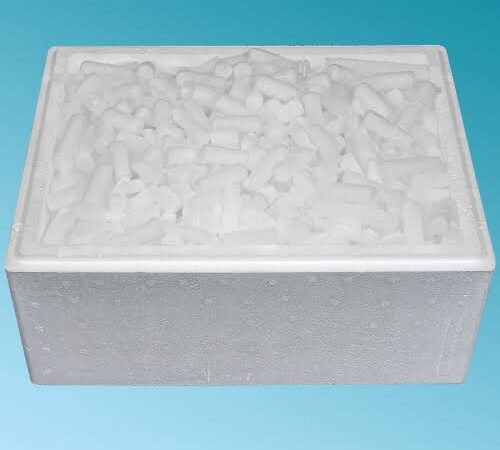
A dry ice delivery arrives at your Karachi warehouse at 2pm in May. The driver unloads five thermocol boxes, you sign the delivery note, and everyone moves on. Three hours later you open a box and find the pellets have half sublimated and the frozen prawns inside are soft at the edges. Without a receiving checklist, you will never know where the cold chain broke — and the same loss will repeat next week.
Before the Delivery Arrives
Good receiving starts before the van reaches your gate. Know what you ordered: the weight of dry ice, the form (pellets or blocks), and the expected condition of the goods it is protecting. Keep the order confirmation on hand — on paper or on a phone — so the person receiving the delivery can compare it against what actually arrives.
Prepare the space. Clear a spot in a ventilated area — never a sealed cold room or a small store room with the door shut, because dry ice releases carbon dioxide gas as it sublimates. Have thick leather or insulated gloves ready, and a weighing scale nearby if you buy by weight: the fastest way to confirm you got what you paid for is to weigh the delivery before the dry ice starts disappearing.
Step 1: Check the Boxes Before You Sign
Inspect the packaging before you sign the delivery note. The thermocol boxes should be intact, the lids taped, and the outer surface dry. A crushed corner, a cracked lid, or a box that feels warm on the outside are all warning signs. If a box is damaged, photograph it before opening it — that photo is your evidence for any claim.
Check the count and the labels. Count the boxes against the delivery note, and confirm the labels match your order — if you ordered 20kg of 16mm pellets, the boxes should say so. Our thermocol box guide explains the 3kg and 5kg box sizes we supply. Never sign for a delivery you have not counted.
Step 2: Weigh the Dry Ice
Dry ice starts sublimating the moment it is packed, so some loss in transit is normal — but it should be small. A well-packed box on a same-day Karachi delivery should lose only a few percent of its weight. Weigh each box on arrival and compare it with the ordered weight. If you ordered 10kg and the scale shows 8.5kg, something went wrong: the shipment may have been delayed, poorly packed, or short-loaded.
Record the weight on the delivery note itself, next to your signature. That single number turns a vague complaint into a verifiable fact. If you buy dry ice every week, keep a simple log — date, ordered weight, received weight — and you will spot a supplier problem in a fortnight instead of arguing about it for months.
Step 3: Check the Goods Inside
Open one box and check the product the dry ice is protecting. Frozen food should be hard to the touch, with no soft spots or visible thawing. Ice crystals on the surface of frozen prawns or meat are normal; a wet, sticky surface is not. If the delivery includes chilled medicine or vaccines, check the temperature with a thermometer or a data logger — our guide to temperature data loggers explains how a small logger records the temperature for the whole journey.
Handle the dry ice correctly while you check. Always wear gloves — dry ice sits at -78°C and will burn bare skin on contact. Use tongs or a scoop to move pellets, and never touch them with wet hands. If pellets have spilled loose in the box, sweep them back in or transfer them to a ventilated container; never seal loose dry ice in an airtight box, because the gas it releases needs somewhere to go.
Step 4: Store It Properly, Straight Away
Don’t leave the delivery sitting in the sun while paperwork is finished — dry ice sublimates faster in Karachi’s heat, and every minute on a hot loading dock costs you product. Move the boxes into shade or into your freezer store within ten minutes of arrival.
Store dry ice in a ventilated, insulated container, never in a sealed airtight freezer or a closed room. Keep it away from staff areas with poor airflow, and label the storage spot so nobody opens a box without gloves. If you are holding dry ice overnight, expect some loss and plan around it — our guide to how long dry ice lasts gives realistic hold times for Karachi conditions.
Step 5: Record, Report, and Follow Up
Finish the check with a short record: date and time of arrival, supplier name, ordered and received weights, box condition, and any problems found. A notebook by the receiving desk is enough; a spreadsheet is better. This record lets you compare suppliers, negotiate on facts, and prove a claim when a delivery is short or damaged.
If something is wrong, report it the same day — with photos, weights, and the delivery note number. Suppliers can fix a packing problem or credit a short delivery, but only if they hear about it while the evidence is fresh.
Frequently Asked Questions
How much dry ice loss in transit is normal?
On a same-day Karachi delivery in a sealed thermocol box, losing 2–5% of the weight is normal. Anything above 10% suggests a delay, a damaged box, or poor packing — weigh the delivery and raise it with your supplier the same day.
Should I open every box on arrival?
Open at least one box from each delivery to check the product condition, and open more if anything looks wrong from the outside. For a large delivery, spot-check a sample of boxes — but always count and weigh every box.
What if the delivery arrives after my staff have left?
Agree a late-delivery procedure with your supplier in advance: a named contact, a ventilated storage spot, and a note left with the boxes. Never leave dry ice in a sealed room or an unventilated area overnight.
Can I refuse a delivery?
Yes, if the boxes are badly damaged, the weight is far short, or the goods inside have thawed. Photograph the problem, note it on the delivery note, and contact the supplier immediately — do not sign for a delivery you are refusing.
Ordering dry ice for your business? Message us on WhatsApp at 0310 2395910 for a quote on regular weekly deliveries — same-day delivery across Karachi. Browse the full range in our shop.