
If you run a food business in Karachi — a restaurant, a bakery, a cloud kitchen, a frozen food reseller — your supplier decides your reputation. One bad batch of thawed prawns or a delivery that arrives late on a Friday night, and your customers remember you, not the supplier. Choosing the right frozen food supplier is one of the most important decisions you will make, and most buyers make it on price alone, which is exactly where the trouble starts.
This checklist covers what to ask, what to inspect, and what to test before you commit to a frozen food supplier in Karachi.
1. Cold Chain Capability: Ask How They Keep It Frozen
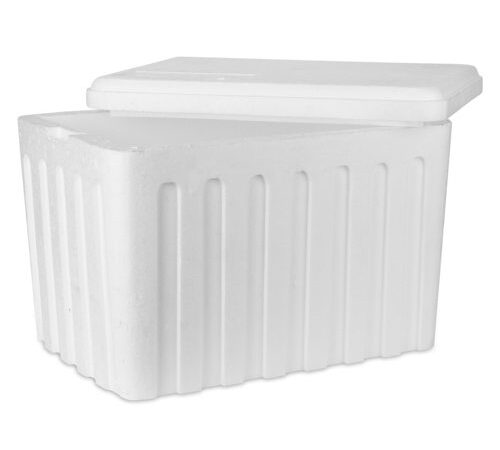
A serious supplier can explain their cold chain in one clear sentence: how products are stored, how they are packed for delivery, and how long they stay frozen in transit. If the answer is vague — “we use ice” or “we deliver fast” — that is a warning sign. Look for suppliers who use thermocol boxes with proper insulation, dry ice or gel packs for frozen loads, and delivery routes planned to keep transit times short.
Ask specifically about summer deliveries. Karachi heat punishes weak packaging, and a supplier that keeps products frozen in June is a supplier you can trust year-round. Our cold chain guide for food businesses explains what a working cold chain looks like, so you can judge a supplier’s answer against the basics.
2. Product Quality: Inspect Before You Commit
Never sign a supply arrangement without sampling the product. Ask for samples of exactly what you will buy — the same prawn size, the same cheese brand, the same frozen parathas. Check the texture, the smell after thawing, and the packaging condition. Thawed-and-refrozen product is the most common quality failure: look for ice crystals inside the pack, soft spots, or packaging that has clearly been opened and resealed.
Ask where the product is sourced from and how it is stored at the supplier’s end. A supplier who stores stock in proper freezers and rotates it honestly will say so; a supplier who cannot describe their own storage is a risk. Consistency matters more than perfection — you need the tenth delivery to match the first.
3. Pricing: Transparent, Written, and Stable
Frozen food prices move with seasons, imports, and fuel costs, so some fluctuation is normal. What you want is transparency: a written price list, clear pack sizes and weights, and honest notice before a price change. Be wary of quotes that are far below the market — they usually mean smaller weights, lower grades, or quality corners you will discover later.
Compare like with like. A 1 kg pack at a low price is not a deal if the pack actually weighs 800 grams or the prawn count is lower. Ask for net weights on every item, and recheck them on delivery with your own scale for the first few orders.
4. Delivery Reliability: Test It Before You Depend on It
Delivery is where most suppliers fail. A good price means nothing if the rider arrives four hours late with half-thawed stock. Before committing, place two or three trial orders on your actual busy days — not just a quiet Tuesday. Time the delivery, check the internal temperature of the products, and note how the driver handles the packaging.
Ask about coverage and timing. Does the supplier deliver to your area of Karachi on the schedule you need? What happens during load-shedding or heavy rain? Our frozen food shipping guide explains the packing standards that protect products in transit — your supplier should meet or beat them. Same-day and next-day options matter when a weekend rush empties your freezer.
5. Food Safety and Handling Standards
A supplier handling your food should follow basic food safety: clean storage, proper temperature control, hygienic packing, and no damaged or expired stock mixed into your order. You do not need a formal audit, but visit or at least video-call the storage setup once. Dirty freezers, products stored on the floor, and staff handling food with bare hands after handling cash are all things you should never see.
For seafood specifically, freshness at packing makes the whole difference. Our prawn and seafood packing guide shows what correct packing looks like — use it as a reference when you inspect a seafood supplier’s operation.
6. Start Small, Then Scale
The safest way to choose a supplier is to start with small, frequent orders and grow the relationship. This lets you test quality, delivery and communication without risking your whole week’s stock. A good supplier welcomes trial orders and earns the bigger business; a supplier that pressures you into a large first order or demands heavy advance payment is telling you something.
Keep a backup supplier too. Even the best supplier has a bad week, and having a second source for your core products protects you from stock-outs during Eid rush, wedding season, or a freezer breakdown.
Looking for a reliable frozen food and dry ice supplier in Karachi? Message Order Providers on WhatsApp with your product list and delivery area, and we will send a written quote with packing and delivery details. You can also browse our range in the shop.
Frequently Asked Questions
How do I test a frozen food supplier before committing?
Start with samples, then place two or three small trial orders on your busy days. Check product quality, net weights, delivery timing, and packing condition before scaling up.
What is the biggest red flag in a frozen food supplier?
Vague answers about how they keep products frozen in transit. A supplier who cannot describe their cold chain clearly — insulation, coolant, transit times — is the most common source of thawed deliveries.
Should I choose the cheapest supplier?
Rarely. Quotes far below market usually hide smaller weights, lower grades, or weak packing. Compare net weights and delivered quality, not just the sticker price.
How important is summer delivery performance?
It is the real test. Karachi’s summer heat exposes weak packaging and slow routes. A supplier that delivers frozen product in June will handle the rest of the year easily.