
Baby food spoils faster than almost anything else in your kitchen — and in Karachi, a long drive or a load-shedding break can turn a carefully prepared meal into a risk within a couple of hours. Purees, milk, formula, and soft cooked food should stay at or below 4°C — once they warm past that, bacteria multiply fast. Keeping baby food cold is not about convenience; it is about safety. Here is how.
Why Baby Food Needs Extra Care
Most baby foods are low in acid and high in moisture — exactly the conditions bacteria love. Cooked vegetables, lentil puree, yoghurt, and prepared formula should stay at or below 4°C. In Karachi’s summer heat, a container in a hot car can cross 10°C in under an hour, and by two hours the food should not be served. The rule is simple: if you are not sure it stayed cold, do not serve it — a fresh batch is far cheaper than a sick baby.
The Right Container Makes the Difference
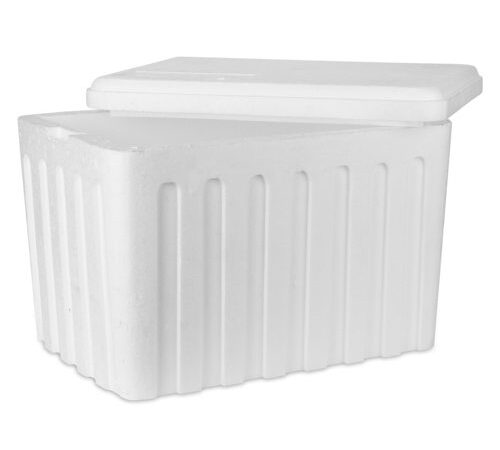
Start with a good thermocol box. A 3 kg box is the right size for a day’s baby food: it holds several small containers plus a cold pack. The 5 kg box suits a full day out with formula, snacks, and extra water. A regular plastic lunchbox will not hold the cold — insulation is what buys you time. See our guide to thermocol box sizes and prices in Karachi if you are picking a size for the first time.
Pack the food in small, sealed containers rather than one big tub — small portions chill faster, and you only open what the baby will eat at that sitting. Chill everything in the fridge before packing, and pre-chill the box with a cold pack for 15 minutes first. Warm food going into a cold box wastes half your cold time before you even leave the house.
Using Dry Ice for Baby Food Trips
For trips longer than two or three hours, regular ice packs struggle — they melt, leak, and lose cold steadily. Dry ice stays at -78.5°C and keeps a thermocol box cold for hours without any water mess. For a baby-food box, 1 kg of dry ice pellets is usually enough for a full day out. Wrap the pellets in newspaper or a sealed bag, and never let dry ice touch the food containers directly.
The key safety rule: dry ice must never go inside a sealed container, and the baby’s food must never touch it directly. Keep the dry ice at the bottom or side of the box, with a layer of newspaper or a towel between it and the food containers. A thermocol box is not airtight, which is exactly what you want — dry ice slowly turns into gas and needs somewhere to go. Our guide to storing dry ice safely covers the full list — it applies to a baby’s lunchbox just as much as to a freezer.
Never handle dry ice with bare hands — it causes frostbite in seconds, so keep a pair of kitchen gloves in the same bag as the box. Keep the dry ice out of the baby’s reach, and in a car keep the box in the boot or on the floor, never in a sealed, hot cabin.
Power Cuts at Home: Keeping the Fridge Cold
Load-shedding is the other half of the problem: a fridge without power warms up in about four hours, and parents open it constantly for milk and snacks, so the safe window is shorter in practice. The answer is the same one Karachi restaurants use: a few kilos of dry ice in the freezer, bought before the outage. Our guide to how long dry ice keeps your freezer cold explains the quantities — for most homes, 2 to 3 kg keeps a freezer cold through a typical outage.
Keep baby food in the coldest part of the freezer, at the back, and move the day’s portions to the fridge only when needed. If the power has been out for more than four hours and the fridge feels warm, do not risk the baby’s milk or puree — throw it out and make a fresh batch once the power returns. Never re-freeze food that has thawed and warmed up, even if it still smells fine.
A Simple Travel Checklist
Pack the night before: chill the food, chill the box, and freeze your ice packs. On the day, add 1 kg of dry ice pellets in a separate bag, load the food containers, and close the lid. Take gloves and a spare container. Serve from one container at a time and keep the rest sealed. When you arrive, move the food to a fridge as soon as you can — the box is a bridge, not a permanent fridge. Never leave a baby food container in a parked car — a car in Karachi sun can pass 50°C inside — and never put dry ice in a baby’s bottle, a feeding cup, or a sealed flask.
For regular trips, keep a standing supply at home: a 3 kg thermocol box and a couple of kilos of dry ice. Dry ice is available in 2 kg packs from Rs 1,450 with same-day delivery across Karachi — browse the shop for pack sizes and prices, or message us on WhatsApp at 0320-3921038.
Frequently Asked Questions
Is dry ice safe to use around baby food?
Yes, as long as it never touches the food directly and never goes in a sealed container. Keep it wrapped, keep the box vented, handle it only with gloves, and keep it out of the baby’s reach.
How long will baby food stay cold in a thermocol box with dry ice?
With 1 kg of dry ice pellets in a 3 kg thermocol box, baby food stays safely cold for a full day out — typically 8 to 12 hours.
Can I use regular ice packs instead of dry ice?
For trips under two hours, yes — frozen gel packs in an insulated bag are fine. For longer trips, or in Karachi’s summer heat, dry ice holds the cold far longer and does not melt into water that can leak into the containers.
What should I do with baby food after a long power cut?
If the fridge has been without power for more than four hours and the food feels warmer than fridge-cold, throw it out — never re-freeze thawed baby food. Keep 2 to 3 kg of dry ice in the freezer during outages to protect the food stored there.